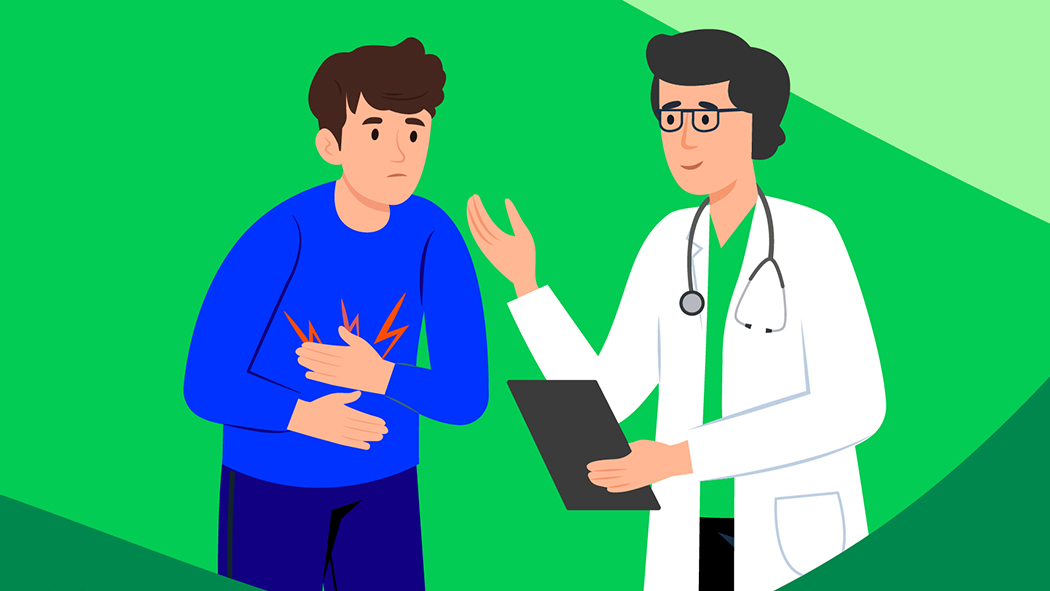
Learn more about the relationship between your mind, body, and gut, and how intentional care to all three is critical to overall well-being.

Have you ever noticed that stress doesn’t just live in your head? It can settle in your stomach too. Maybe it shows up as bloating, cramps, nausea, or that uneasy “knots” feeling when life gets overwhelming.
That’s not a coincidence.
Your mind, body, and gut are constantly talking to each other, influencing how you feel emotionally, physically, and mentally. When one part is out of sync, the others often follow. Understanding this connection can help explain symptoms many people brush off, and why caring for your gut can support your whole health.
Your gut and brain are in constant conversation
Your gut does a lot more than digest food. It has its own nervous system and communicates directly with your brain through a network of nerves, hormones, and chemical messengers. Because of this, it’s often called the body’s “second brain.”
In fact, your gut produces most of the serotonin your body uses. This is a chemical that helps regulate mood, sleep, and calm. Ninety percent of the body's serotonin is produced in the gut. That’s one reason why emotional stress can trigger digestive issues, and why ongoing gut problems can affect how you feel mentally and emotionally.
90% of your body’s serotonin is produced in your gut.
When this gut–brain communication is working well, things tend to feel balanced. But when it’s disrupted (by stress, illness, inflammation, certain medications, or diet), symptoms can show up in unexpected ways, both in your body and your mood.

What science reveals about the gut‑mood relationship
Scientists have found a strong link between gut health and how we feel:
- People with stomach or gut problems are more likely to feel lonely.
- When the good bacteria in your gut is out of balance, it can make you feel more worried, upset, or even forgetful.
- Recent research shows that nerves connecting your brain and stomach can affect how you feel stress.
- Chronic stress can lead to:
- Increased gut inflammation.
- Heightened sensitivity to gastrointestinal (GI) symptoms.
- Changes in gut bacteria.
- Reduced immune function.
- Chronic stress can lead to:
People who have stomach problems like IBS, Crohn’s disease, or ulcerative colitis often experience anxiety or depression alongside their physical symptoms.
The relationship between your mind, body, and gut – and the balances and imbalances we experience across all three – is a continuous loop, so intentional care to all three is critical to overall well-being.

The role of your gut microbiome
Your gut microbiome (the ecosystem of microbes that live in your intestines) is home to more than 100 trillion microorganisms. They help you break down food, take in vitamins, protect you from illness, and even help make brain chemicals that affect your mood.
When the microbiome is balanced, it:
- Supports a healthy immune response.
- Reduces inflammation.
- Helps regulate stress hormones.
- Produces neurotransmitters like serotonin and gamma-aminobutyric acid (GABA) that support calm, focus, and emotional stability.
But when the microbiome is disrupted (known as dysbiosis), the risk of digestive flare‑ups, chronic inflammation, and mood disturbances increases. This is why medical experts in digestive and behavioral health emphasize integrated care approaches that address nutrition, mental well‑being, lifestyle changes, and digestive health together.
Tapping into your mind-body-gut connection for better health
If you suspect your mind-body-gut connection may be disrupted, or want to improve your overall well-being, there are small, steady changes you can make to support this powerful connection:
1. Feed your microbiome wisely
Eating high‑fiber, plant‑based foods, fermented foods, and probiotic‑rich choices help fuel the “good” bacteria that support digestion and mood.
2. Prioritize stress management
Deep breathing, physical activity, adequate sleep, and mindfulness help lower stress‑driven inflammation and support healthier digestion.
3. Pay attention to patterns
If you experience ongoing digestive symptoms, changes in appetite, sleep issues, or shifts in mood, it may be a sign that your mind, body, gut, or all three need attention.
4. Consider whole‑person care
Integrated care programs that combine medical, nutritional, behavioral, and specialty support are increasingly recognized as best practice for conditions involving both physical and emotional health.
Support your gut to support the whole you
Your gut influences far more than digestion. It plays a role in how you feel, how you handle stress, and how you move through your day. If stress, stomach issues, or unexplained changes in mood have become part of your routine, your body may be asking for a more connected approach to care. Talk to your doctor about your symptoms and find the right care options to fit your needs.
Small steps can make a meaningful difference. Listening to your body and supporting your gut is a powerful place to start.