If you’re 45 or older – or have risk factors such as an IBD diagnosis – learn why now is the time to talk to your doctor about scheduling a colonoscopy.

Let’s be honest: for many, the thought of getting a colonoscopy can feel uncomfortable, or even a bit intimidating if they haven’t had this screening before. Colonoscopies are a common and critical screening that millions of people undergo each year, helping detect potential problems like colorectal cancer before they become serious.
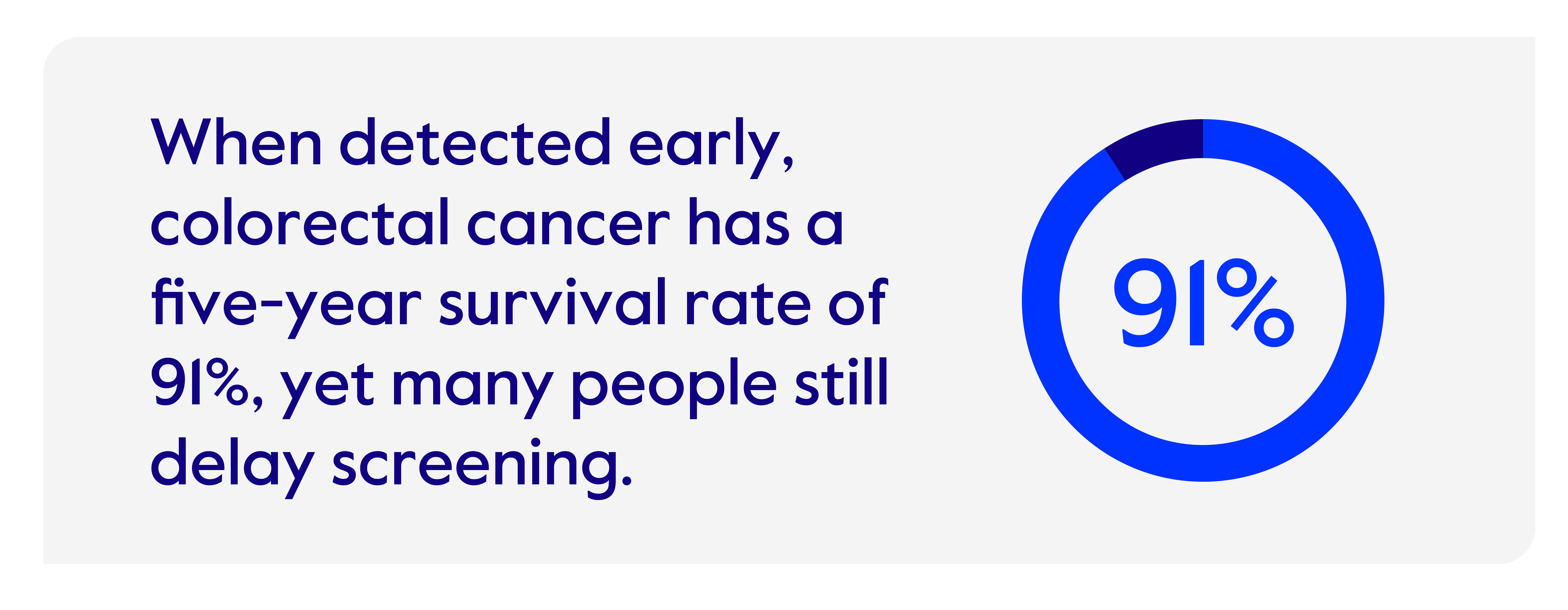
Colorectal cancer is the third leading cause of cancer‑related deaths in the U.S., yet it is also one of the most preventable forms of cancer. A colonoscopy is the most reliable method for early detection, giving your doctor the ability to identify and remove precancerous polyps before they become dangerous. When detected early, colorectal cancer has a five‑year survival rate of 91%, yet many people still delay screening.
As part of Colorectal Cancer Awareness Month in March, we are highlighting reasons why you should consider getting your routine colonoscopy, if you’re eligible, and unpacking misconceptions about colonoscopies that may play into people delaying their screening.
Why colonoscopies matter: it’s about lifesaving early intervention
Unlike other screenings that detect cancer after it develops, colonoscopies can identify changes in the colon long before any symptoms appear.
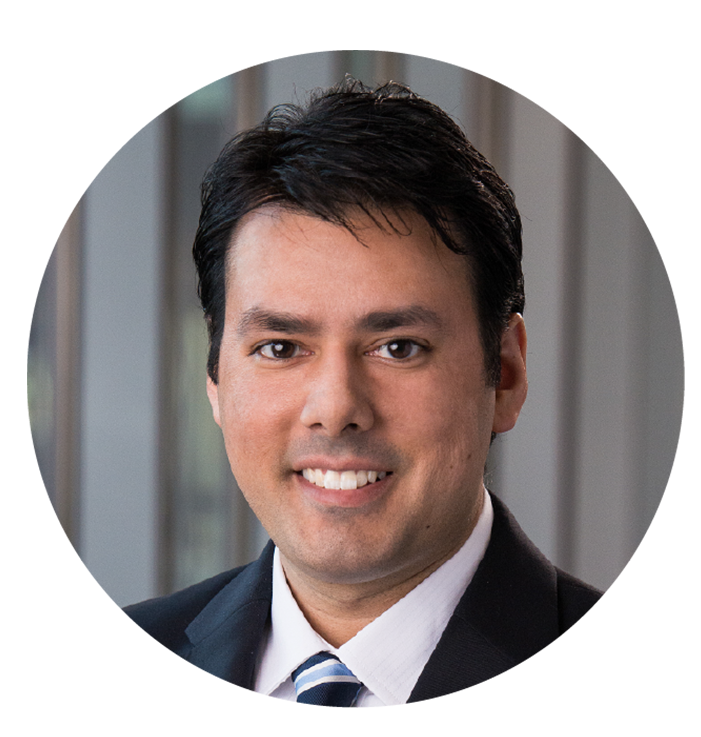
“Colonoscopies allow us to find and remove growths called polyps before they turn into cancer,” said Dr. Faiz Mirza, Executive Medical Director of Gastroenterology Solutions at EviCore by Evernorth and a practicing gastroenterologist. “Early detection dramatically reduces the risk of colorectal cancer. It is one of the most effective tools we have in digestive health.”
Other key benefits of a colonoscopy include:
- Comprehensive assessment of the entire colon and rectum
- Removal of precancerous polyps during the procedure
- Detection of inflammation, bleeding, or early signs of disease
- Immediate insights without having to wait for lab results
When to get your first screening
Current guidelines recommend starting colorectal cancer screening at age 45 due to increasing cases among younger adults. In fact, 1 in 5 diagnoses are among people under 55.
After a normal result, screenings are typically repeated every 10 years. However, your doctor may advise earlier or more frequent screenings if you have:
- A personal or family history of polyps or colorectal cancer
- A hereditary condition that increases your risk
- A chronic inflammatory bowel disease (IBD), such as Crohn’s disease or ulcerative colitis
“For patients with IBD, sticking to a consistent screening schedule is critically important,” Dr. Mirza said. “Chronic inflammation can increase cancer risk, which makes routine, proactive surveillance essential.”
Common myths and the realities of what to expect during a colonoscopy
Even though colonoscopies are one of the most effective tools for preventing colorectal cancer, many people put off scheduling one due to misunderstandings or preconceived fears.
"Many of my patients are surprised by how straightforward the procedure is and how much peace of mind they gain afterward. Taking proactive steps like a colonoscopy helps them feel empowered and reassured about their long-term health."Dr. Faiz Mirza, Executive Medical Director of Gastroenterology Solutions at EviCore by Evernorth
Myth 1: “It’s going to be painful or uncomfortable.”
Most people experience little to no pain during a colonoscopy. Sedation keeps you asleep or deeply relaxed, and the procedure typically takes less than 30 minutes. Many patients say the prep is harder than the procedure itself.
Myth 2: “It’s embarrassing.”
Colonoscopies are routine procedures performed by medical professionals every day. Your dignity is protected throughout the exam. You’ll be appropriately covered, and the care team’s focus is solely on your health and safety, not judgment.
Myth 3: “The prep is unbearable.”
Prep consists of a liquid-only diet and drinking a solution that helps clean out your colon the day before the colonoscopy. The prep solution itself has improved significantly – the amount you have to drink is less than it used to be and it tastes better.
Myth 4: “Colonoscopies are only for older adults or men.”
Screening starts at age 45 for everyone at average risk. People with IBD or family history may need earlier and more frequent screenings.
Myth 5: “I’m healthy and don’t have symptoms, so this doesn’t apply to me.”
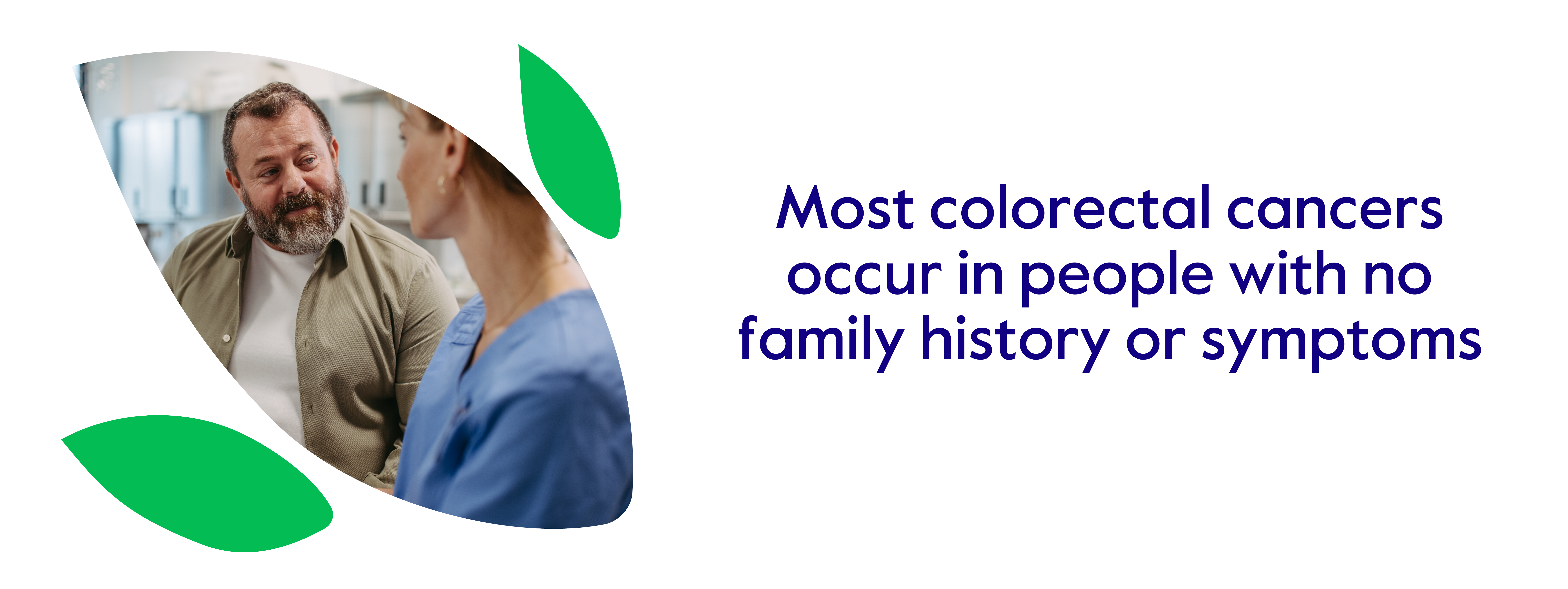
Most colorectal cancers occur in people with no family history or symptoms. Risk increases with age, and lifestyle factors can play a role. Feeling healthy doesn’t mean you’re safe. Screening is the only way to know for sure.
Take the next step for your health
If you’re 45 or older – or have risk factors such as an IBD diagnosis – now is the time to talk to your doctor about scheduling a colonoscopy. If your provider hasn’t mentioned it, you can and should ask. Taking initiative now could prevent cancer before it starts. Preventive care is one of the most meaningful investments you can make in your long‑term well‑being.
“Your gut health is foundational to your overall health,” Dr. Mirza said. “A colonoscopy is a simple step that can make a profound difference.”

Get the most out of your Cigna Healthcare plan
Discover the comprehensive member guide packed with information on how to use your plan to its fullest, now and throughout the year.