As more employees work through treatment or return after cancer, employers have an increasingly meaningful role in supporting their well-being.

Cancer is touching more lives than ever before. Nearly 4 in 10 U.S. adults will develop cancer during their lifetime, and rising rates of early onset cancer (under 50 years old) mean more adults will face a diagnosis during the prime of their lives – and careers.
As cancer becomes a more common reality for working-age adults, it’s important to understand how a diagnosis affects not only health but also daily life and work. Nearly half (47%) of cancer patients in the United States continue working in some capacity during treatment, and most who take leave during their treatment (63.5%) return to work within 12-18 months. As more employees work through treatment or return after cancer, employers have an increasingly meaningful role in supporting their well-being.
Many employers have made real progress in promoting cancer prevention and early detection. One study found that 70% of employers rank cancer screening and preventive care as a top health care priority. But, new insights from The Cigna Group show that people who are already living with cancer – or recovering from it – often need even more support. Some fall behind on important preventive screenings and mental health care, and many don’t realize their employer offers resources that could help them manage their treatment and overall well-being.
“Employers who step in to close these gaps have a real opportunity to show they genuinely care about their people as they navigate one of life’s toughest moments,” said Stacie Lukasiak, vice president of U.S. employer medical solutions, Cigna Healthcare. “Beyond easing the costs and productivity challenges that come with fragmented care, offering support, empathy and understanding creates a culture where people feel valued as individuals, not just workers.”
Cancer patients and missed preventive care: Gaps in essential screenings
A cancer diagnosis can quickly turn life upside down. Suddenly, an already busy life is filled with medical appointments, treatment schedules, financial decisions, and physical and emotional side effects. With so much to manage, it’s understandable that other aspects of a cancer patient’s health and well-being slip through the cracks.
Preventive care and cancer screenings are important for all adults, especially for those who have increased risk factors. Cancer survivors can be more prone to subsequent cancer diagnoses, so it is important for this vulnerable population to adhere to the screening schedule.
Our research shows that while working-age adults with a history of cancer tend to stay on top of their annual physical exams (80% have had one in the past year), they are more likely to neglect other regular screenings, such as dental exams and recommended cervical and breast cancer screenings.
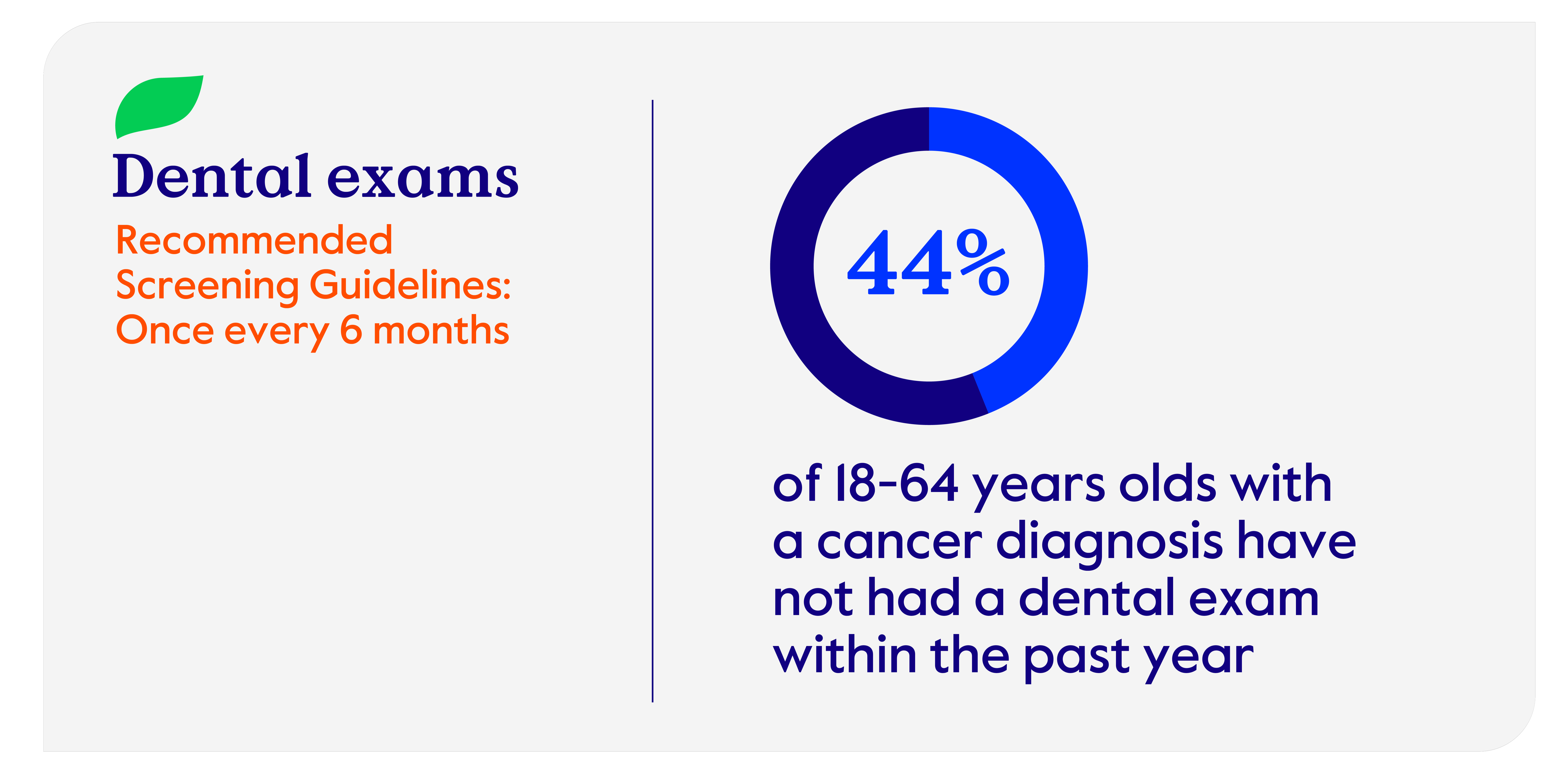
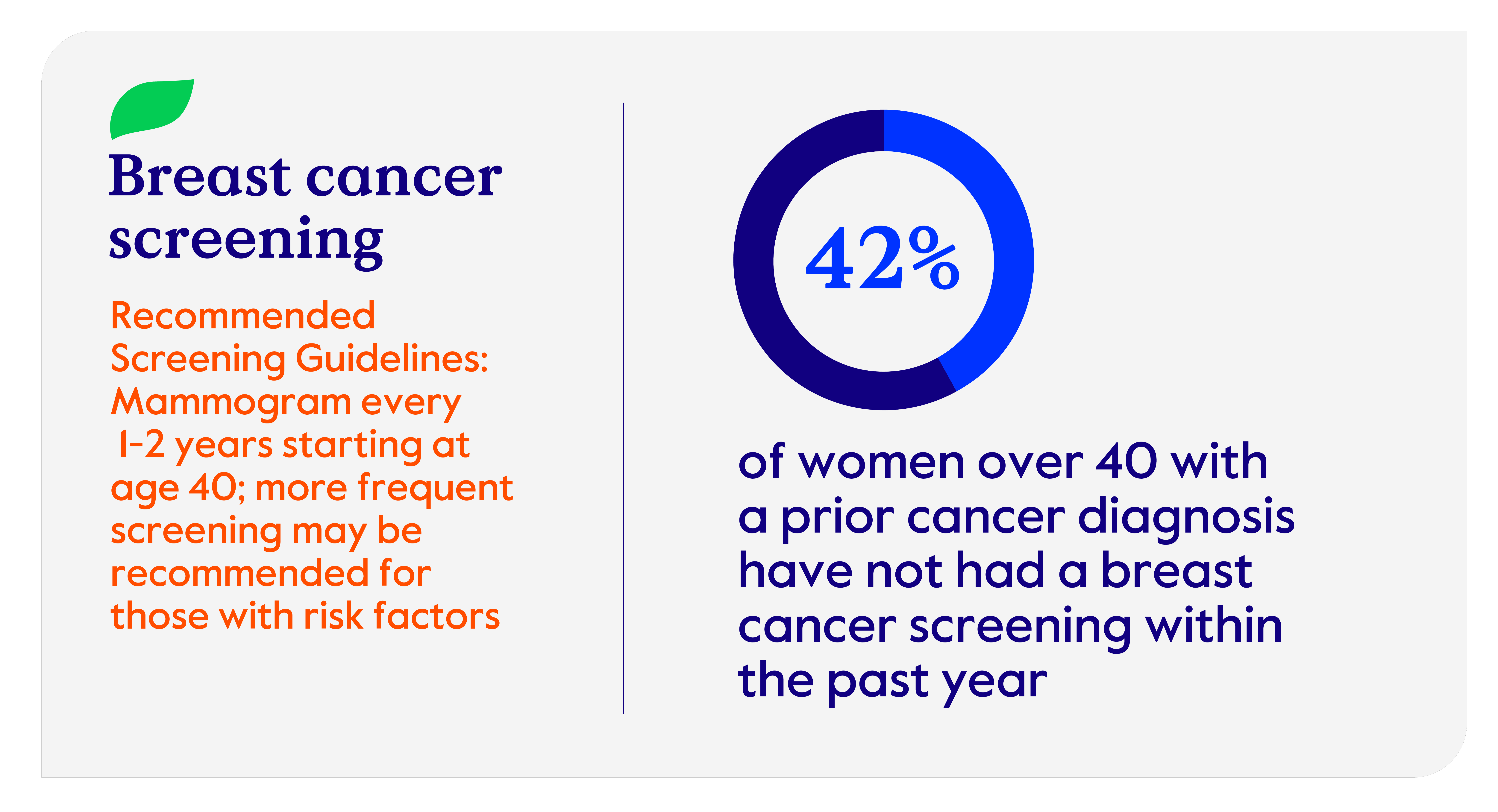
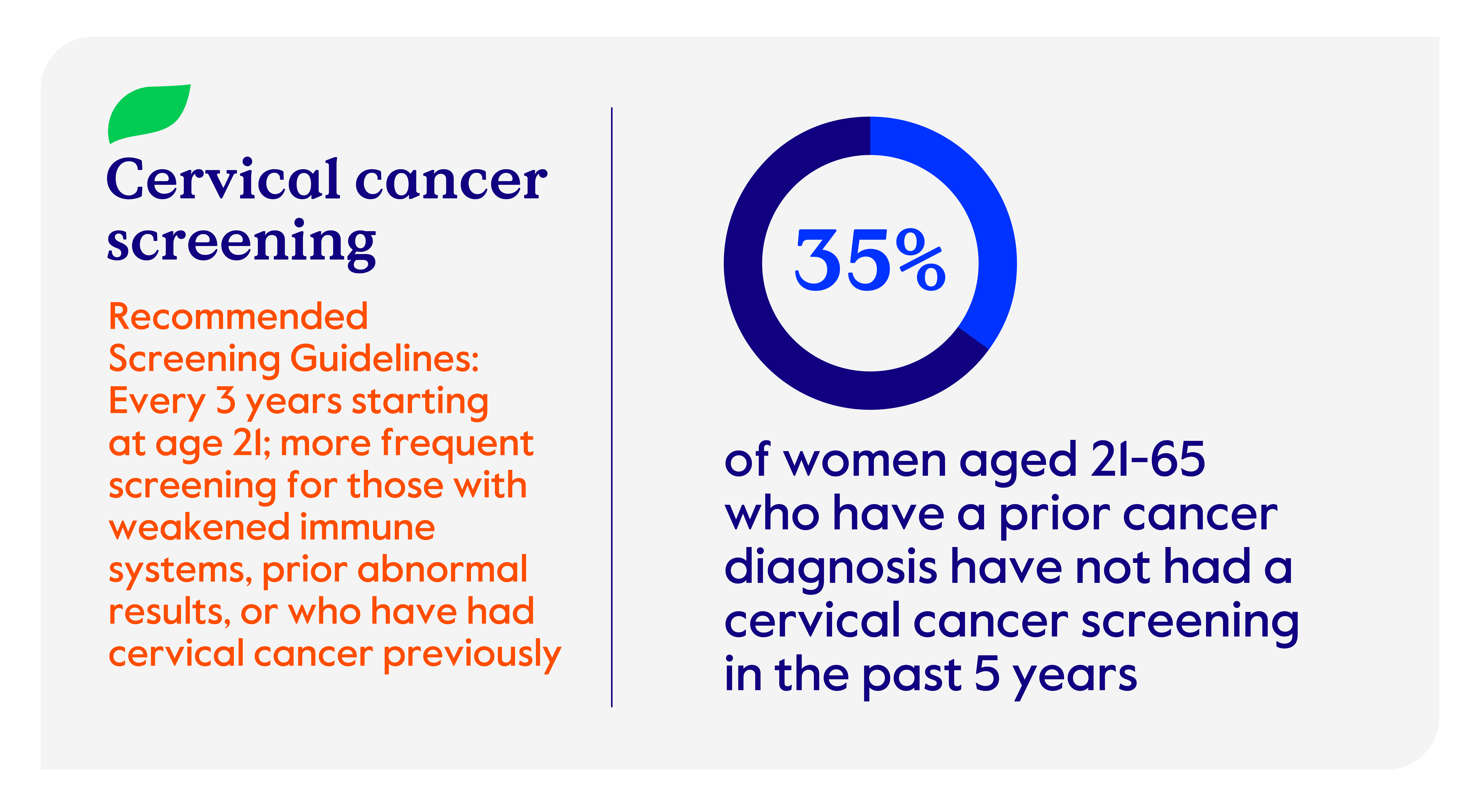
A significant mental health gap for employees living with cancer
There is a strong connection between mental and physical health, and often when someone struggles with their mental health or lives with chronic stress, their overall health and well-being suffer.
For cancer patients, mental health challenges can have more significant repercussions. Research suggests that there may be a relationship between chronic stress and cancer progression, with stress being linked to tumor growth and a weakened immune system.
Research from The Cigna Group reveals a significant mental‑health gap for people with cancer:
- Nearly half (48%) of working-age adults who have a cancer diagnosis also have a diagnosed mental health condition. However, most of these individuals do not regularly see a mental health care professional.
- 58% of adults under age 65 who have been diagnosed with cancer and a mental health condition, such as depression, anxiety, or substance abuse, have not received mental health care within the past year.
- More than half of those who went without this care, despite their mental health diagnosis, experienced a barrier that kept them from getting care, such as cost concerns (20%), challenges finding a provider (16%), and transportation challenges (12%).
Addressing these mental health care challenges for employees living with cancer is essential. When cancer patients receive mental health treatment, it can improve patient outcomes, quality of life, and deliver meaningful cost savings.
Essential employer support programs for employees facing cancer
Cancer-focused support programs can make a meaningful difference for employees navigating a diagnosis. Access to resources like leave policies, caregiver and family support, financial and logistical assistance, and wellness programs can make it easier for people to manage the challenges of their new reality.
These programs support not only those living with cancer, but also the employees who care for loved ones with the disease. Caregivers often face emotional strain, shifting routines, and financial pressure – challenges that can impact their ability to show up to work. Many report missing work, reducing hours, or losing income because of their caregiving responsibilities.
Awareness of these programs is still a major gap. Our research shows that only about half of employees with cancer knew their employer offered such resources and support. Those who were aware were far more likely to feel supported by their employer throughout their experience – and said this support played a key role in helping them stay at work or return after treatment.
- 48% of working adults diagnosed with cancer were aware of the support programs available through their employer (e.g., leave policies, care navigation, EAP, mental health, cancer-specific support, family support, financial support, etc.)
- 82% of those who were aware of the support programs felt their employer provided adequate support during their experience with cancer vs. only 24% of those who weren’t well aware of the programs.
- 94% of those who felt their employer provided adequate support agreed that the support they received from their employer made it possible for them to continue working or return to work after treatment vs. only 21% of those who did not feel adequately supported.
Expanding awareness of these programs is a meaningful way employers can strengthen their culture of care and better support every employee whose life has been changed by cancer.
Actions to improve support for employees facing cancer
At a time when cancer places extraordinary demands on employees and their families, employers can make a measurable difference by offering clear, compassionate support that helps people stay healthier and more connected to care.
1. Emphasize preventive care and cancer screenings and address common barriers:
- Clarify preventive care benefits. Make it easy for employees to understand what’s covered at no cost and why preventive visits should matter to them
- Promote screening guidelines. Regularly share age-appropriate screening recommendations and encourage employees to keep up with routine checkups. Offer time off for preventive visits and consider incentives to increase follow-through.
2. Strengthen mental health benefits, and actively encourage use:
- Expand mental health support. Supplement counseling and medication coverage with wellness programs, employee assistance programs (EAPs), and digital mental health tools.
- Drive awareness and utilization.Communicate available resources frequently and address barriers by highlighting virtual care options and case managers who can help connect employees with the right support.
3. Offer comprehensive cancer care – and ensure employees know what exists:
- Promote end-to-end cancer support. Highlight financial benefits, navigation services, logistical support (such as child care or meal delivery services), return-to-work assistance, and caregiver resources.
- Leverage awareness moments. Use cancer awareness days and months throughout the year to remind employees of the programs available to them and how to access them.
“For employees navigating cancer, either as a patient or as a caregiver, the smallest barriers can feel overwhelming – and the right support can be transformative,” Lukasiak said. “By closing the preventive care, mental health, and awareness gaps, employers can help ensure no employee faces this journey alone. Strengthening support isn’t just good practice; it’s a meaningful expression of care when it matters most.”
Methodology: The research is based on The Cigna Group's 2025 Vitality in America study, which analyzed responses from a core sample of 5,000 adults and an augment of an additional 500 adults who self-reported a cancer diagnosis. This analysis focused on adults from the combined core and augment sample aged 18-64 who self-report a cancer diagnosis and is based on natural fallout (unweighted).


