Workers’ expectations for health coverage are changing as they face the true cost of a health event.

For years, health coverage decisions have focused primarily on access to care. But new research suggests that for today’s workforce, coverage expectations are changing – shaped not only by clinical needs but also by financial resilience and day-to-day stability.
National research conducted by Cigna Healthcare in partnership with Ipsos finds that serious health events frequently reveal financial vulnerabilities many working Americans don’t expect, even when they have primary medical coverage. In fact, nearly six in 10 respondents said they were not financially prepared for their health event, and more than four in 10 reported that their overall financial health worsened following a diagnosis or injury. Out-of-pocket costs added up quickly, with many respondents spending $1,000 or more related to their health event.
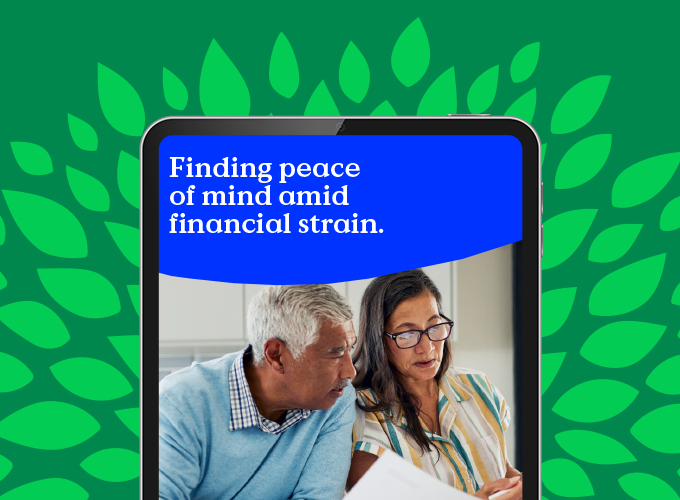
Full report: Finding peace of mind amid financial strain
View or download the PDF version of the full report from Cigna Healthcare and Ipsos.
Rising costs, limited savings, and confusion about how different types of coverage work together are driving many workers to rethink what it really means to be “covered.” For employers, the findings of this research point to a growing opportunity – and responsibility – to reevaluate benefit strategies through the lens of the whole employee experience, particularly during moments of health-related disruption.
“Employees don’t experience health events in isolation,” said Paul Virtell, president of Supplemental Health at Cigna Healthcare. “They experience them alongside rent or mortgage payments, groceries, childcare, and other daily responsibilities. That reality is reshaping how people define meaningful coverage.”
A real-life example of how supplemental health coverage can help
Most respondents to the survey report making lifestyle changes to manage health care costs, including cutting back on non‑essential spending or relying more heavily on credit cards. For many, even covering basic household bills became a challenge, underscoring how closely health care costs are tied to financial and emotional well‑being.
The Ipsos research findings mirror what Cigna Healthcare employee Dalton Holdge experienced firsthand: Even with primary medical coverage, a health event can create immediate out-of-pocket costs and everyday financial pressure.
In 2023, Holdge dislocated his shoulder and fractured part of his arm while playing shortstop in a competitive softball tournament. The injury required surgery, follow-up care, and physical therapy – expenses that added up quickly. Because he had accidental injury insurance through his employer’s supplemental health benefits, he received a lump-sum payment he could use to help offset deductibles, coinsurance, and recovery-related costs.
Then, in 2025, during an annual physical, Holdge opted for additional diagnostic screening – a decision that led to the discovery of a thyroid nodule and ultimately a thyroid cancer diagnosis at age 34. He had critical illness insurance in place, which provided lump-sum payments directly to him (not to a medical provider).
Those funds helped cover out-of-pocket medical costs, transportation to appointments, and everyday expenses during recovery – plus, quick claims processing reduced stress at a time when he needed to focus on healing. “For me, supplemental health coverage meant peace of mind,” Holdge said. “Instead of worrying about how I was going to pay for everything, I could focus on my health and getting better.”
His experience underscores the broader takeaway from the Ipsos research: When benefits work together and employees understand how to use them, coverage can help reduce financial strain and support well-being during the moments that matter most.
Workers want coverage that feels connected, not fragmented
As financial pressure grows, employees are increasingly valuing simplicity and cohesion in their benefits.
More than half of respondents said it is important to have the same carrier for both medical and supplemental coverage, signaling a preference for integrated experiences rather than disconnected plans that require additional coordination during already stressful moments.
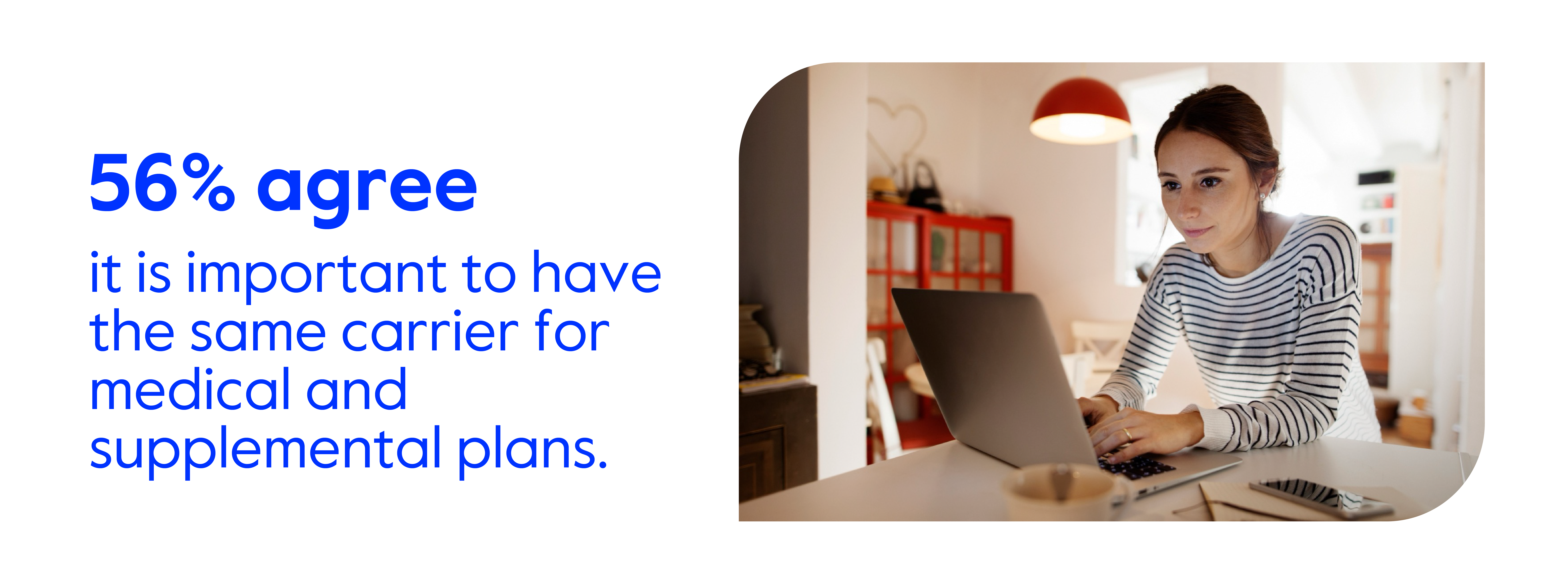
This desire for integration goes beyond administrative convenience. During a health event, many respondents reported needing more support than expected, including help navigating financial and coverage‑related challenges.
“In moments of uncertainty, people look for stability,” Virtell said. “When coverage works together, it can remove friction at a time when employees have limited capacity to manage complexity.”
For employers, this highlights an important shift. Benefit design is no longer just about offering options, but about ensuring those options are integrated across all dimensions – product design, administration, and experience – when employees need them most.
A persistent knowledge gap leaves many employees underprepared
Despite growing interest in supplemental coverage, the research reveals a significant gap between perceived and actual understanding of how these plans can be used.
Many respondents said they were not knowledgeable about supplemental health insurance. While they often understood how benefits could help with medical related expenses such as hospital stays or rehabilitation, fewer recognized that these plans can also help cover everyday costs. Only a small portion understood that supplemental coverage could be used for expenses like groceries, housing, or childcare.
As a result, many employees only recognize the value of supplemental coverage after a health event has already occurred – highlighting the importance of education and communication in making these benefits effective.
“When people only discover how coverage works after a crisis, that’s a missed opportunity,” Virtell said. “Employers can help close that gap by explaining benefits in a way that connects coverage to real life, not just plan details.”
Experience changes perceptions – and reinforces the value of preparation
For employees who did have supplemental coverage at the time of their health event, the experience often strengthened its perceived value.
Many respondents increased their coverage after experiencing a health event, while most others maintained their existing plans. At the same time, the vast majority agreed that having supplemental coverage provided peace of mind during an unexpected health event.
The research also underscores the mental and emotional toll of financial uncertainty. Nearly half of respondents reported a decline in mental health following their health event, reinforcing the connection between financial stress and overall well‑being.
Taken together, these findings suggest that preparation – both in coverage design and employee understanding – can play a meaningful role in supporting resilience.
What this means for employers
As health care costs continue to overlap with broader affordability concerns, employees are looking to their benefits for more than clinical coverage alone. They want solutions that acknowledge how health events disrupt daily life and help reduce uncertainty during already difficult moments.
For employers, the takeaway from this research is clear. Aligning medical and supplemental benefits, and helping employees understand how those benefits work together, will become increasingly important to meeting evolving expectations.
“Benefits are becoming a reflection of how well employers understand the realities their workforce faces,” Virtell said. “As expectations change, so does the definition of what supportive coverage looks like.”
Full report: Finding peace of mind amid financial strain
View or download the PDF version of the full report from Cigna Healthcare and Ipsos.