HR and industry leaders met at the SHRM Executive Network Experience, a community for HR executives, to discuss the key drivers of health care costs and explore ways to make health care more predictable and sustainable.

Health care affordability remains one of the biggest challenges employers face today. That theme came up repeatedly at the SHRM Executive Network Experience 2026, where HR and industry leaders came together to discuss what’s driving costs higher and how employers can make those costs more predictable over time.
Employers kept coming back to one challenge: it’s not just cost – it’s how unpredictable those costs have become, making planning and budgeting more difficult.
Barbara Collier, principal and consulting actuary at Milliman, grounded the discussion in insights from the 2026 Milliman Medical Index, pointing to continued pressure in outpatient care, shifts in where care is delivered, and increasing use of physician-administered drugs. Together, these trends are making costs harder to track and plan for employers managing health benefits, she said.
The panel featured Collier, Bryan Holgerson, president of Cigna Healthcare U.S. and executive vice president, Customer Health Outcomes, The Cigna Group and Anne Thom, chief human resources officer of Covius Services, and was moderated by Melissa Walchko, head of Total Rewards at SHRM. Together, they explored both the cost pressures employers are facing now and the broader changes reshaping benefits strategy.
Read on for key takeaways from the discussion.
What is driving rising health care costs?
The discussion highlighted several interconnected forces that are making affordability harder to manage – and less predictable for employers.
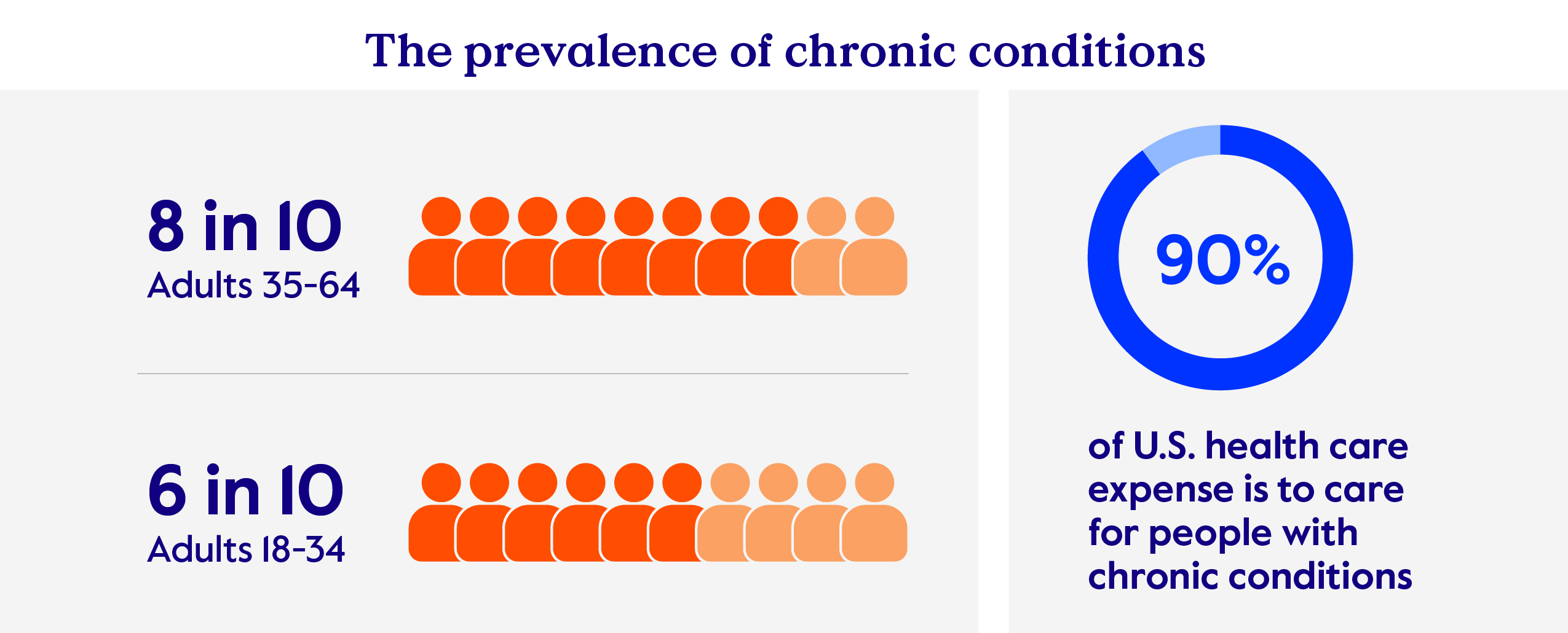
More people are living longer with chronic conditions. Today, nearly 80% of adults aged 35-64 are living with at least one chronic condition, and many are managing multiple conditions over time. As employees live longer with these conditions, ongoing care needs are increasing, creating sustained cost pressure for employers and adding complexity to care management and benefits design.
At the same time, medical innovation continues to accelerate. Breakthrough treatments such as specialty drugs, gene therapies, and personalized medicine are creating new possibilities for patients, while also introducing new challenges for employers trying to balance access and affordability. As innovation advances, it is also adding a new level of complexity in how employers manage care and cost.
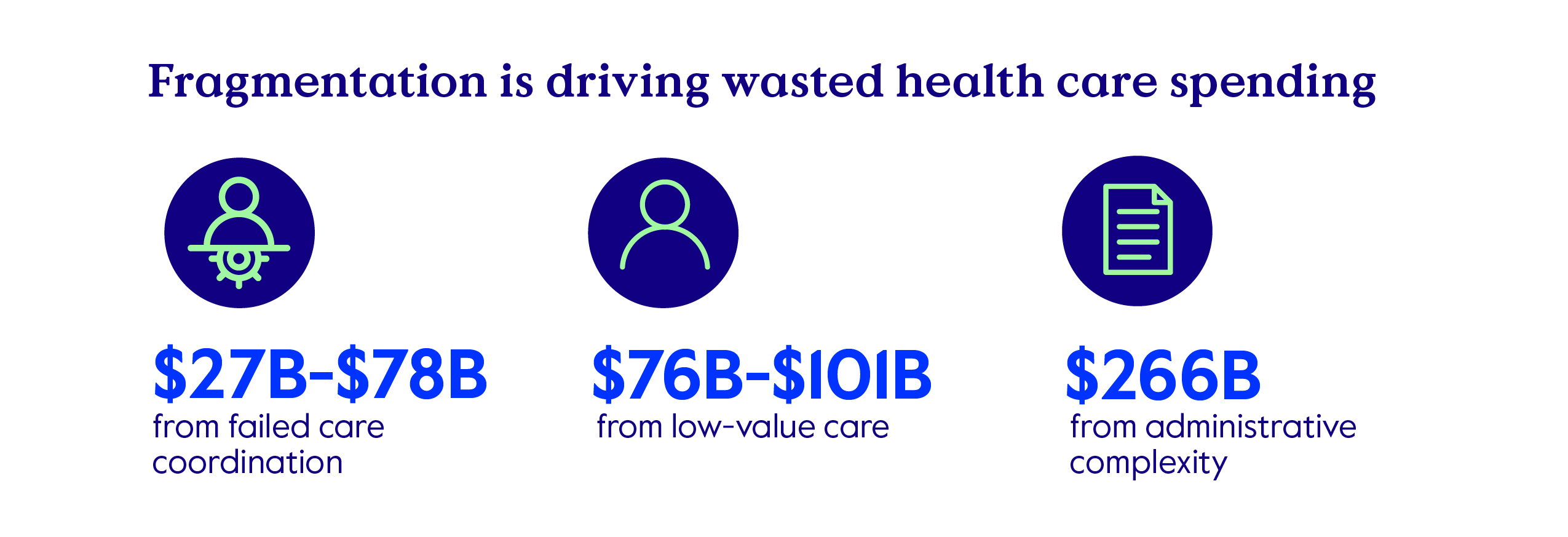
Additionally, the health care system itself is still fragmented. Differences in how care is delivered, administered, and paid for still create inefficiencies, leading employers to spend more without necessarily improving outcomes.
Why incremental plan changes are no longer enough
For employers, these pressures are changing how benefits decisions get made. Annual renewal conversations still matter, but they are no longer enough on their own.
Thom spoke to what that looks like in practice. Employers are being pushed to think beyond traditional plan design and take a broader view of affordability.
“The rising cost of health care has created an environment where we're forced into thinking differently about benefits,” said Thom. “We need to be bolder in our plan design, more creative in the options we create for our employees, and more intentional about finding solutions that can control costs while supporting what employees and their families need.”
That shift is also changing what employers expect from their partners.
“CHROs and benefits leaders know the culture they want to create and how to best engage their people,” said Holgerson. “As a health plan, we should be able to show up and give you consultation and advice that helps you personalize the strategy.”
Thom encouraged leaders to plan earlier, engage partners more often and spend more time helping employees understand how to maximize their benefits. As decisions grow more complex, communication and education matter just as much as plan design – and require a more continuous, strategic approach throughout the year.
How employers can act earlier and more strategically
The panel also explored how better use of data and AI can help employers act earlier. Rather than reacting only after high-cost claims occur, employers have more opportunities to identify risks sooner, guide employees to support, and close gaps in care before issues escalate.
Collier described the role of AI as helping employers make sense of increasingly complex information – from pharmacy contracts to population health data – so they can compare options and make more informed decisions.
Holgerson added that these capabilities can also improve how employees experience the system by making it easier to engage people when they need information and support, and by helping close gaps in care earlier.
He described this as an opportunity for case management to raise the bar in how employees are supported and guided through the health care system.
For employers, this isn’t just about technology. It’s about using better information to support prevention and make the system easier for employees to navigate.
What CHROs can do now
While affordability remains a complex challenge, the panel made clear that employers can take meaningful steps now.
That starts with:
- Understanding their population and health risks
- Working more closely with partners throughout the year
- Making benefits easier for employees to understand and use
- Focusing on prevention and earlier support
Improving affordability doesn’t happen all at once. It starts with keeping people healthier longer – making it easier to access preventive care, get the right support, and address issues before they become more serious and more costly. As data and AI advance, employers will have more ways to act earlier, identify potential risks, and connect employees to support before higher-cost interventions are needed.
For CHROs and senior benefits leaders, that shift may be one of the most important ways to make health care costs more predictable and sustainable over time.

Understanding the health care affordability challenge
What’s driving cost and complexity, and how the system can deliver better outcomes at scale.